Cooking Tips
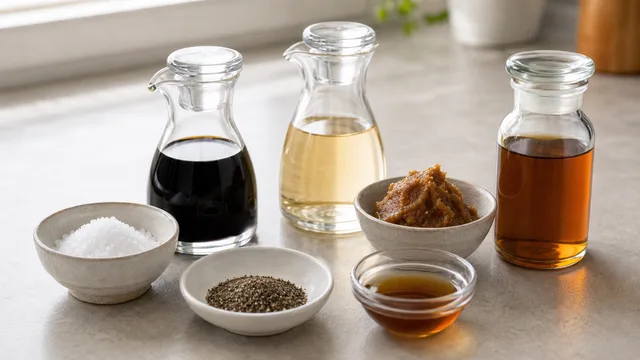
Seasoning Basics for People Who Do Not Know What Flavor to Choose
Learn how soy sauce, miso, mentsuyu, ponzu, consommé, and curry powder help you choose dinner flavors from fridge ingredients.
Read article →Snapmeal Blog
Smart cooker tips, fridge-based meal planning, and product stories from Snapmeal.
Learn how soy sauce, miso, mentsuyu, ponzu, consommé, and curry powder help you choose dinner flavors from fridge ingredients.
Read article →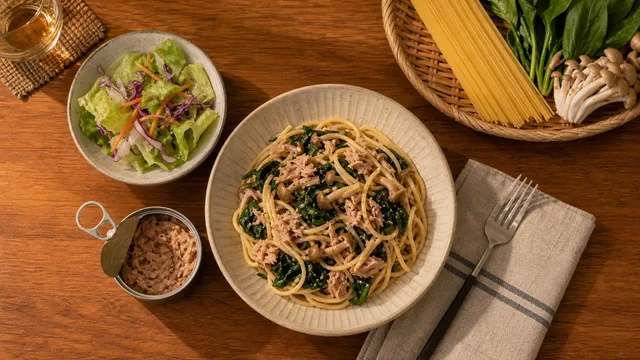
Solo pasta dinners become faster when you use fridge leftovers, canned foods, eggs, and frozen vegetables instead of building a sauce from scratch.
Read article →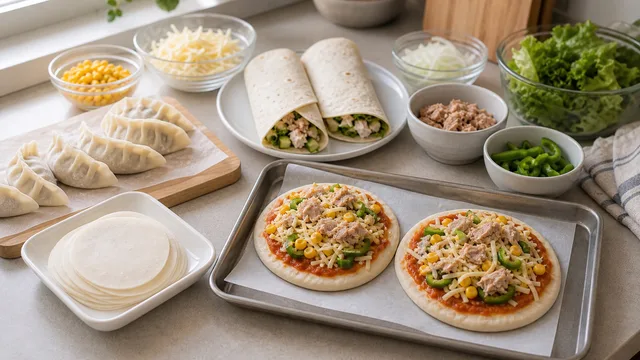
Gyoza wrappers, tortillas, pizza dough, and bread can turn small leftover ingredients into quick baked or wrapped dinners.
Read article →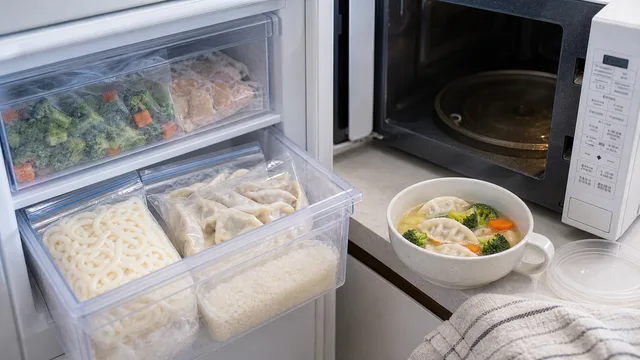
Frozen dumplings, fried chicken, noodles, vegetables, and convenience-store frozen foods can become dinner when paired with eggs, rice, tofu, or vegetables.
Read article →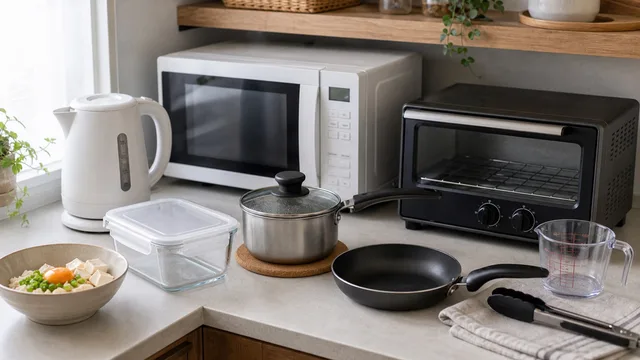
Solo cooking gets easier when you use a microwave, toaster oven, electric kettle, small pot, and frying pan for different jobs.
Read article →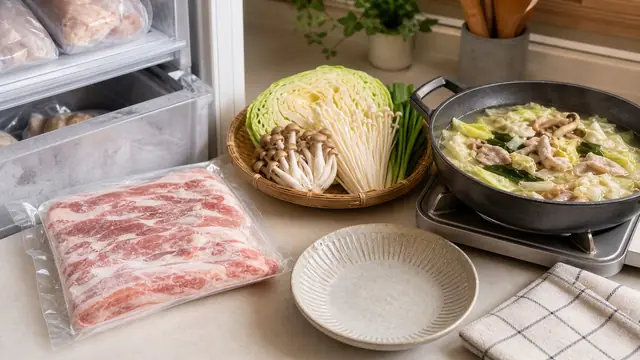
When you forgot to defrost meat, choose soups, steam-fries, or backup proteins based on the type and thickness of the meat.
Read article →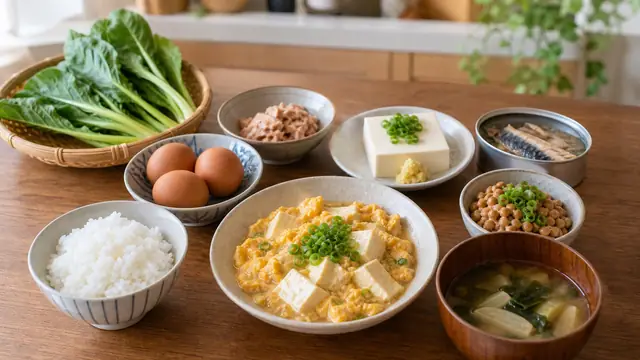
A meatless and fishless dinner can still feel complete when eggs, tofu, natto, canned tuna, or canned mackerel become the main protein.
Read article →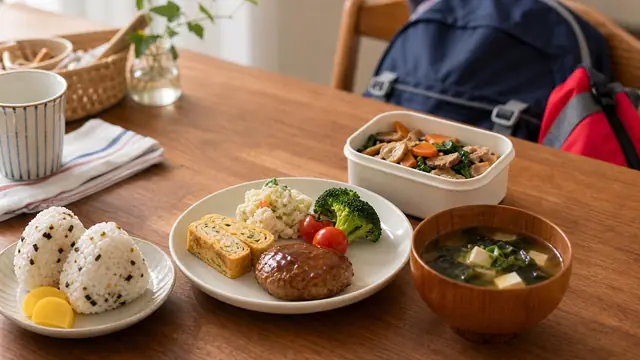
On activity or lesson days, dinner is easier when you decide whether the child eats lightly before leaving or quickly after coming home.
Read article →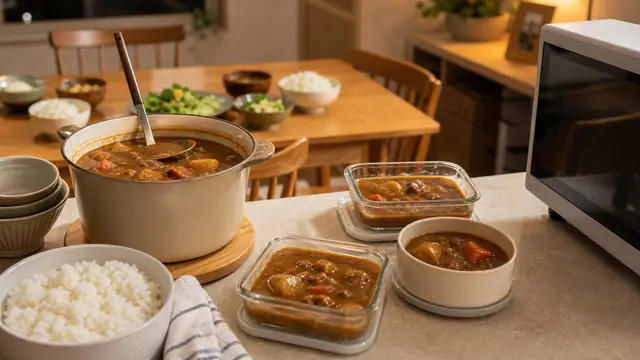
When family schedules do not match, choose dinners that reheat and portion easily instead of dishes that depend on being freshly cooked.
Read article →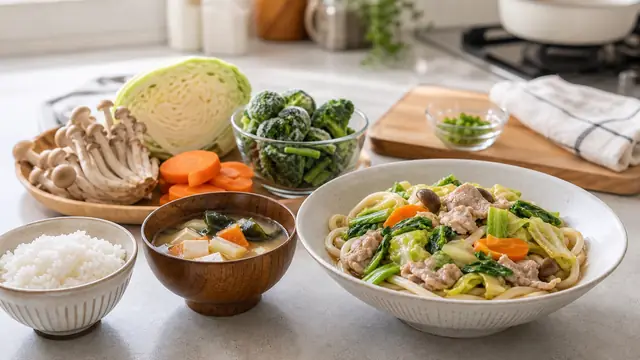
When dinner lacks vegetables, add frozen vegetables, soup ingredients, or mixed-in vegetables instead of making another side dish.
Read article →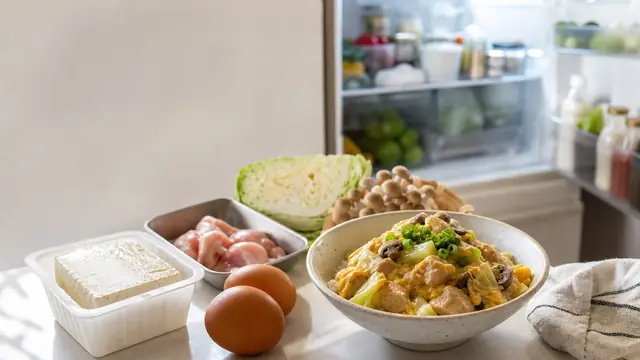
Use near-expiry tofu, eggs, meat, and vegetables by choosing their dinner role before searching for a recipe name.
Read article →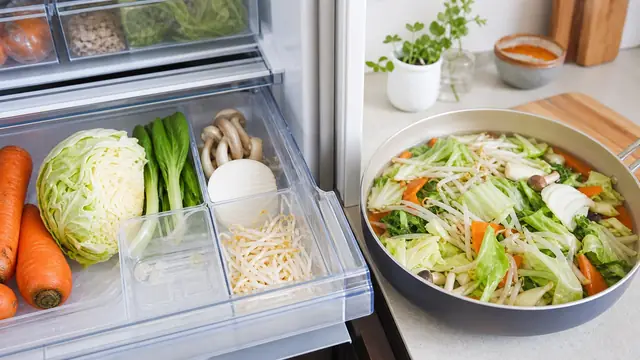
Sort leftover vegetables by cooking time and moisture so small amounts of cabbage, carrots, mushrooms, and greens become one meal.
Read article →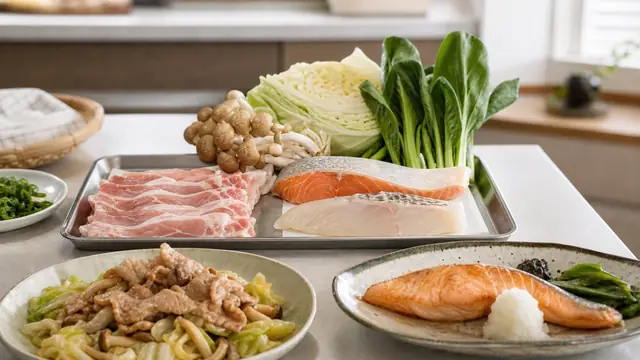
Choose between meat and fish by cooking time, vegetable pairing, family preference, and the cooking tool you actually want to use.
Read article →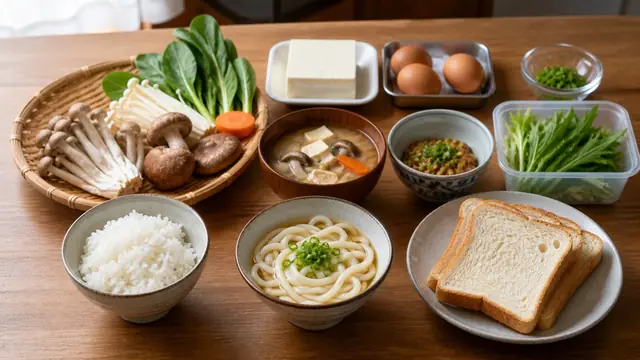
When dinner feels unclear, choose the staple first and reverse-plan the protein and vegetables around rice, noodles, or bread.
Read article →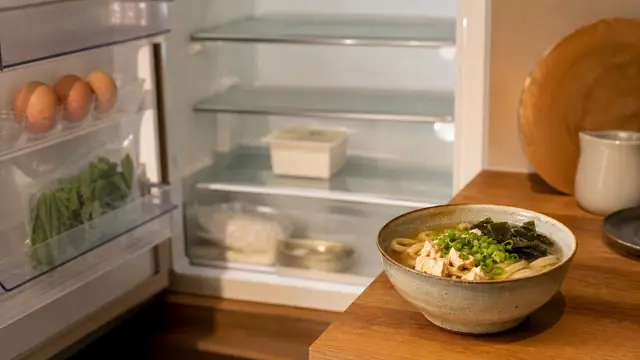
Before grocery shopping, make dinner from remaining ingredients by matching a staple, a protein, and vegetables without buying more.
Read article →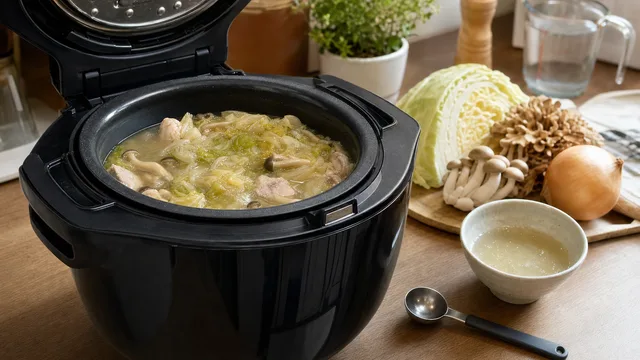
Watery or weak-tasting Hotcook meals often come from vegetable moisture, added liquid, and choosing the wrong meal format.
Read article →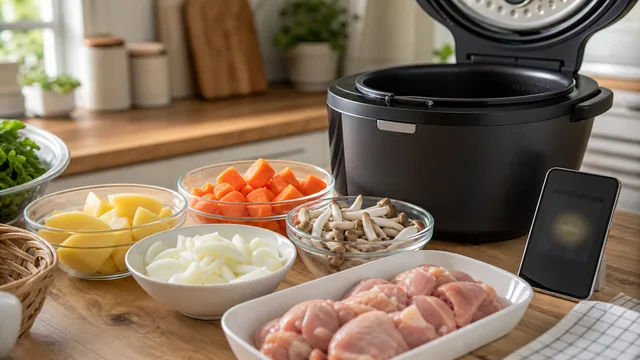
Scheduled cooking works best with ingredients that can simmer without losing texture or flavor by dinner time.
Read article →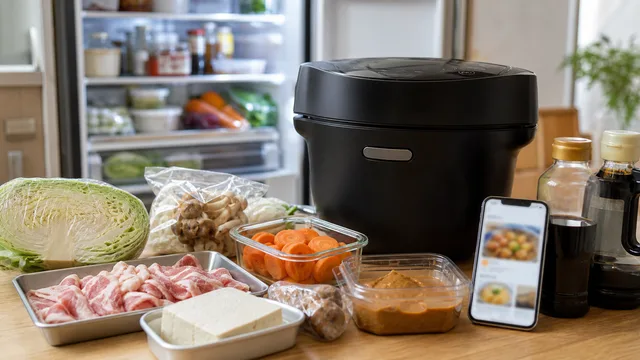
When an ingredient is not in the official menu list, think by cooking type: simmer, soup, steam, or finish later.
Read article →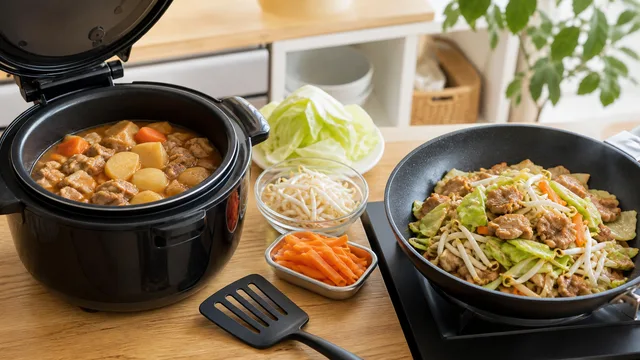
Hotcook is strong for simmering, soups, and steaming, but weak for browning, crisp texture, and true stir-fries.
Read article →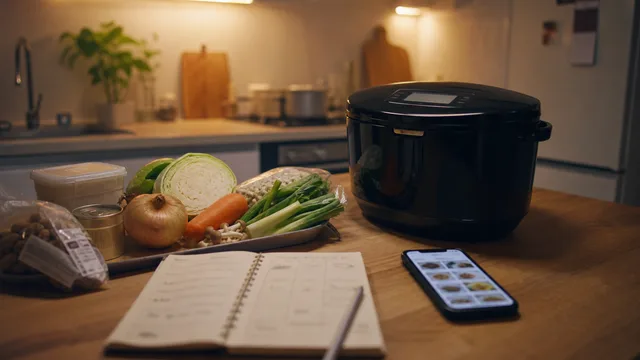
People often stop using Hotcook not because cooking is hard, but because choosing what to cook every time is tiring.
Read article →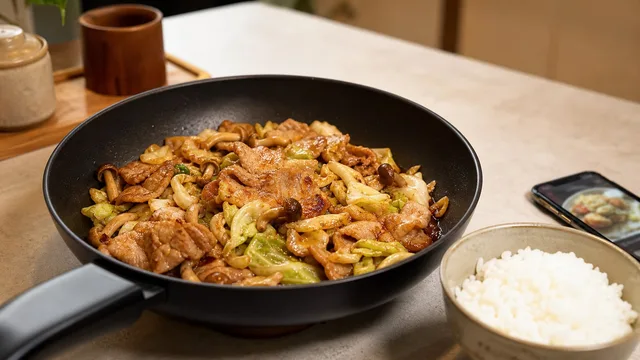
Use one frying pan to cook protein and vegetables together while keeping dishes low.
Read article →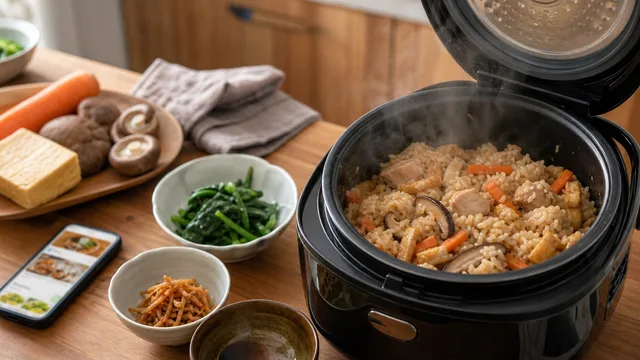
Use rice-cooker timing to prepare rice and simple side dishes without making dinner feel complicated.
Read article →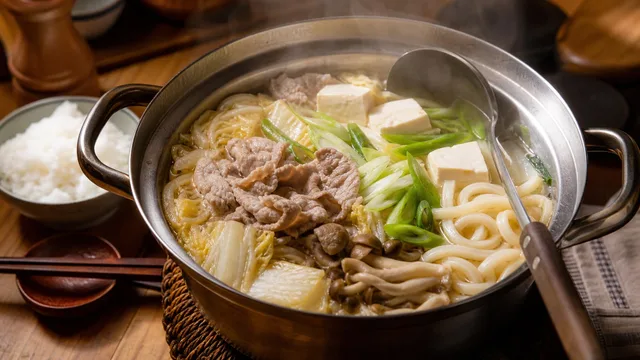
Turn one pot into dinner by choosing soup, stew, noodles, or rice porridge as the meal format.
Read article →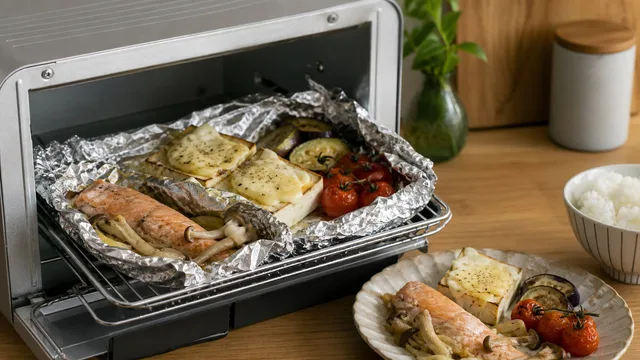
Use a toaster oven for fish, tofu, vegetables, cheese bakes, and foil packets when you do not want to stand at the stove.
Read article →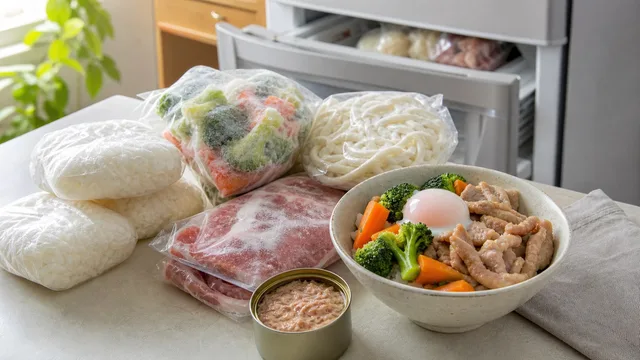
Turn frozen rice, meat, vegetables, and noodles into dinner by assigning each ingredient a clear role.
Read article →
Cod is easy to overcook or break in a smart cooker. Use vegetables, shorter heating, and gentle flavors to make it work for dinner.
Read article →
Yellowtail works with daikon, ginger, miso, green onion, and tomato when you want more options than teriyaki.
Read article →
Shrimp gets tough when overcooked. In a smart cooker, use it as a finishing ingredient for soups and vegetable bases.
Read article →
Clams add strong umami even in small amounts. Use them carefully with salt, vegetables, and soup-style meals.
Read article →
Squid can get tough if overcooked. Use shorter cooking, tomato, taro, cabbage, or mushrooms to make it practical.
Read article →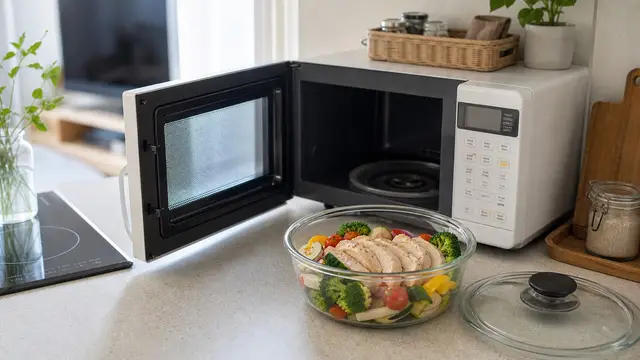
Build a complete microwave-only dinner by combining staple, protein, vegetables, and one clear flavor base.
Read article →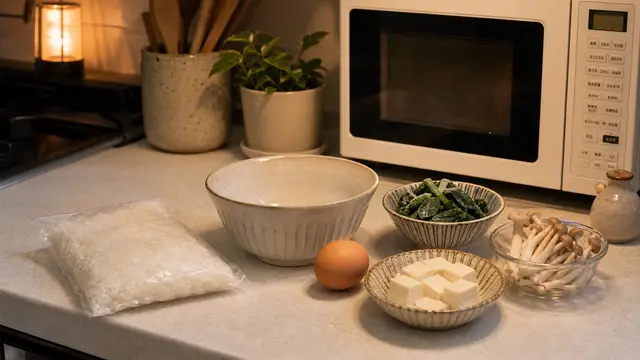
Use tofu, eggs, mushrooms, and frozen vegetables as the base for simple microwave meals.
Read article →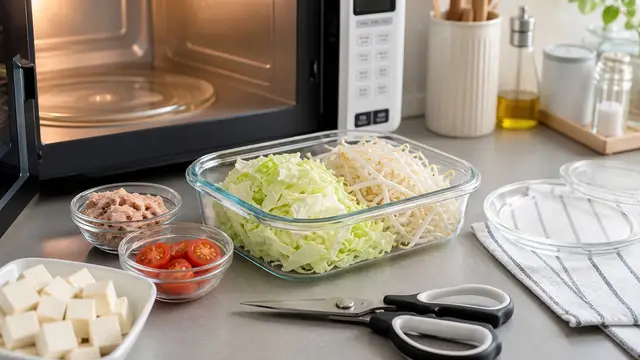
Choose ingredients that do not need chopping and turn them into microwave dinners with fewer dishes.
Read article →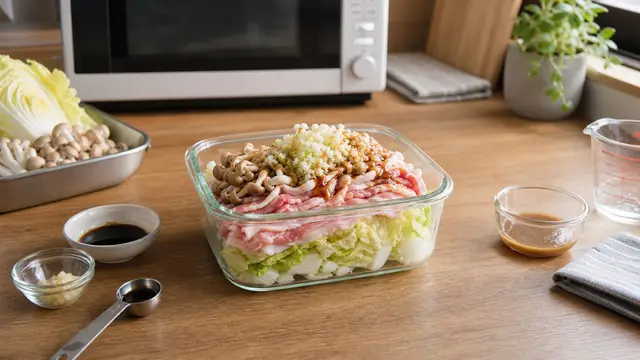
Layer ingredients correctly in a heatproof container to reduce uneven heating and watery results.
Read article →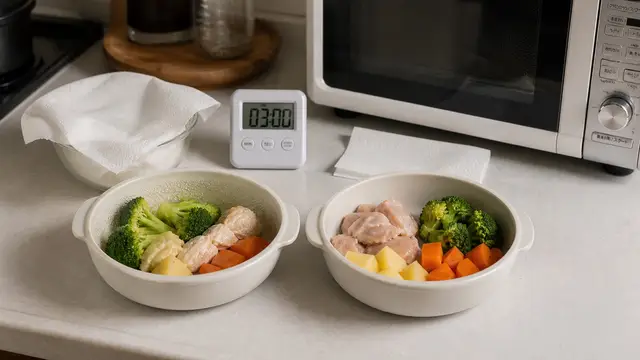
Fix common microwave cooking problems by controlling moisture, ingredient thickness, and heating stages.
Read article →
Use breakfast ingredients and leftovers to reduce dinner decisions later in the day.
Read article →
Choose late-night dinners that are quick, light, warm, and easy to clean up.
Read article →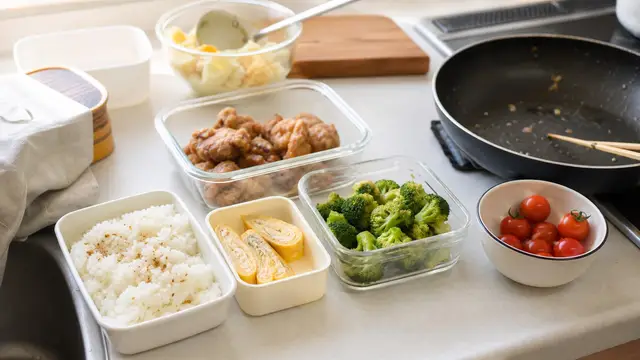
Use small leftover lunch-box sides as ingredients for bowls, soups, and egg dishes.
Read article →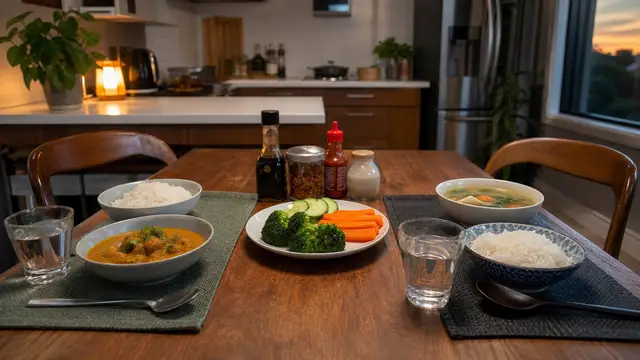
Reduce separate cooking by making one simple base and adjusting flavor at the table.
Read article →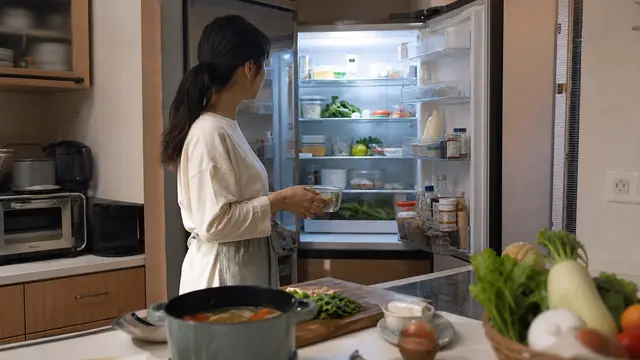
Use perishable and half-used ingredients first, then turn them into soup, bowls, or stir-fries.
Read article →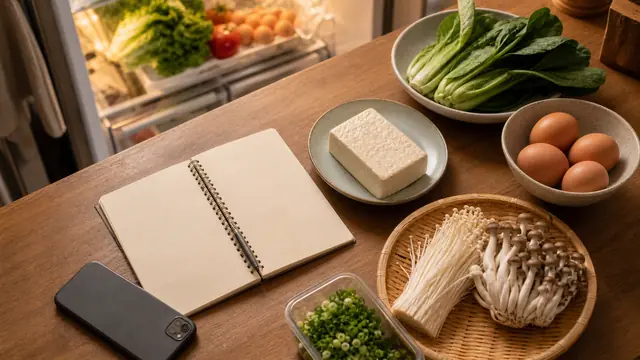
Reduce dinner decision fatigue by choosing time, energy level, and staple before opening recipe search.
Read article →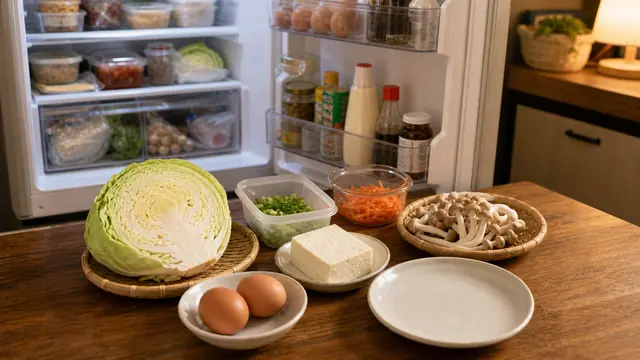
A practical way to turn ingredients into meal formats when your fridge does not suggest a dish.
Read article →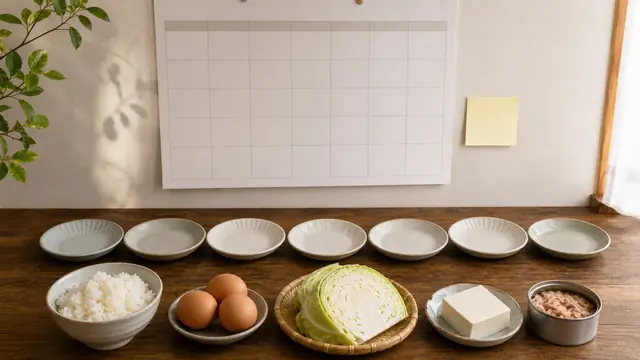
Use loose weekly patterns instead of rigid meal plans so dinner can adapt to your fridge and schedule.
Read article →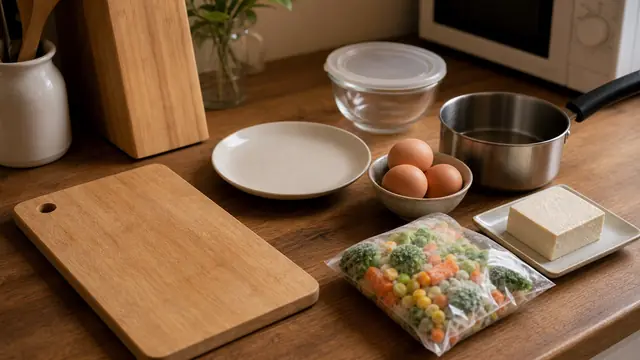
When cooking energy is low, choose dinner by what you can remove: chopping, standing at the stove, or cleanup.
Read article →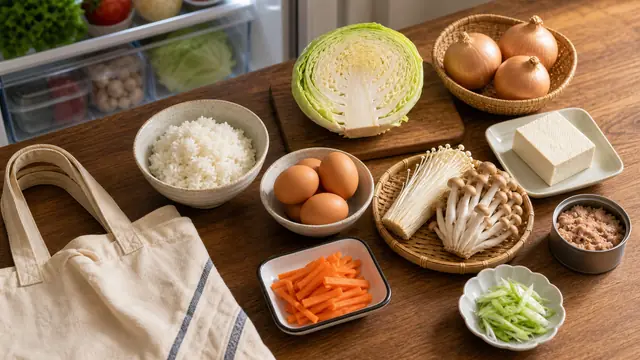
Plan dinner from existing staples, proteins, vegetables, and flavor bases instead of starting from missing ingredients.
Read article →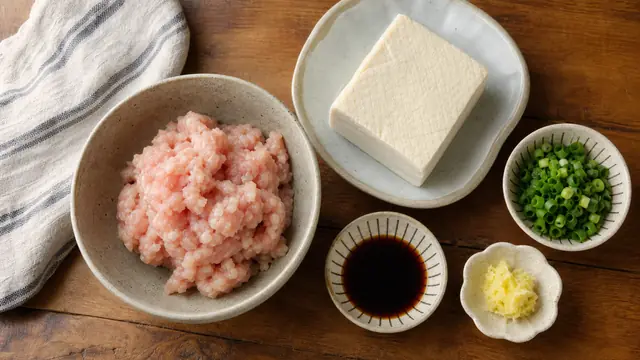
How to turn chicken mince and tofu into soboro ankake, tofu chicken patties, soups, and rice bowls for weeknight dinners.
Read article →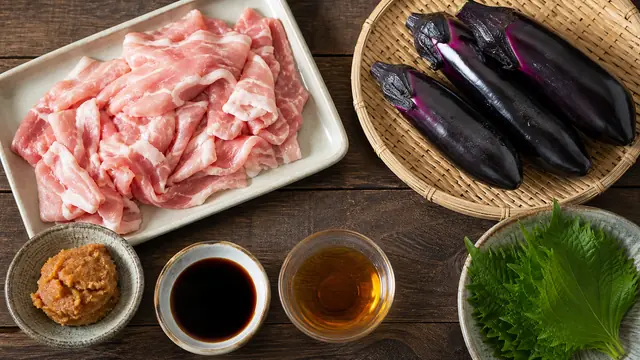
Pork and eggplant can become miso stir-fry, sweet vinegar dishes, tomato simmer, or smart-cooker steamed meals.
Read article →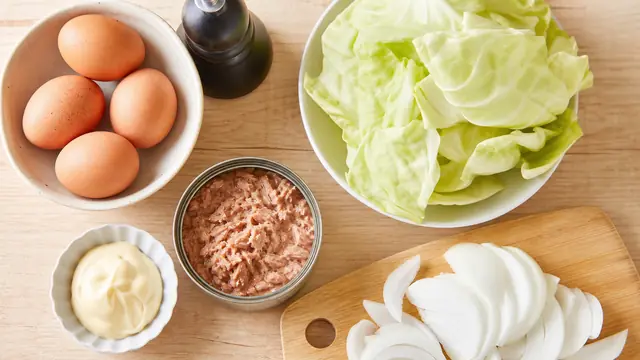
Use eggs and canned tuna for bowls, stir-fries, soups, and omelet-style meals with leftover vegetables.
Read article →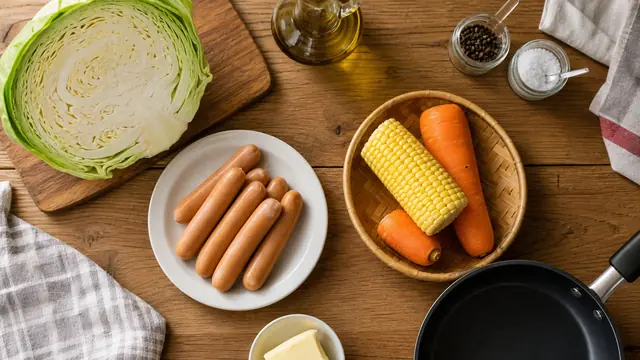
Turn cabbage and sausages into soup, steamed dishes, yaki udon, or smart-cooker meals that work for family dinners.
Read article →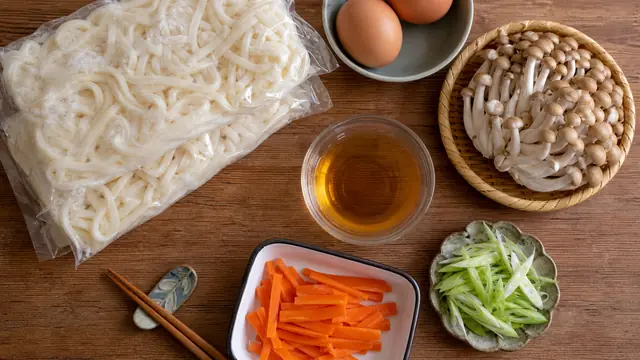
Use frozen udon with leftover meat, eggs, mushrooms, and vegetables for yaki udon, simmered udon, or ankake udon.
Read article →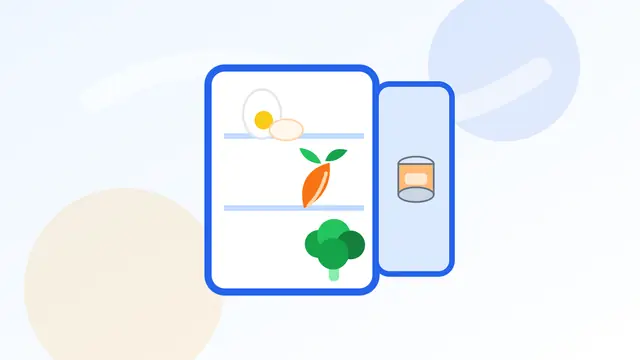
A practical way to look at fridge ingredients by role and narrow dinner options before searching recipes.
Read article →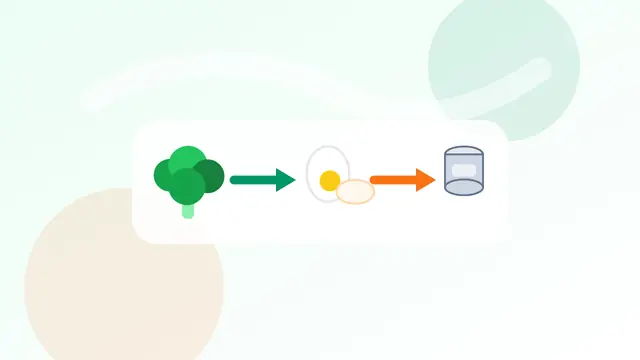
Use fridge ingredients in an order based on perishability and meal usefulness, not only expiration dates.
Read article →
Build one satisfying dish with protein, vegetables, and a staple when you do not have energy for side dishes.
Read article →
Use frozen rice as the starting point for rice bowls, zosui, soup rice, and one-plate dinners.
Read article →
Reduce food waste by building a shopping list around the ingredients you already need to use.
Read article →
Use tofu and ground meat for rice bowls, thick soups, gentle simmered dishes, and budget-friendly weeknight meals.
Read article →
How to use chicken breast and broccoli in soups, creamy dishes, Chinese-style sauces, and smart-cooker meals without dryness.
Read article →
Salmon and mushrooms can become miso simmer, creamy stew, soup, or rice-friendly meals beyond the usual foil packet.
Read article →
Use canned mackerel and daikon to make a satisfying main dish with miso, ginger, plum, or soup-style seasoning.
Read article →
How to turn tomato cans and frozen vegetables into soup, stew, pasta sauce, and no-shopping dinners.
Read article →
How to use carrots in a Hotcook-style smart cooker without making the meal watery or bland.
Read article →
Eggs can support smart-cooker dinners when you add them at the right time for soups, egg-toji, and steamed dishes.
Read article →
Eggplant works well in smart-cooker simmered dishes when paired with umami-rich ingredients and controlled liquid.
Read article →
How to use broccoli in soups, creamy dishes, egg dishes, and sides while keeping better texture.
Read article →
Use canned tuna with vegetables, potatoes, tomato, and pantry staples to make easy smart-cooker dinners.
Read article →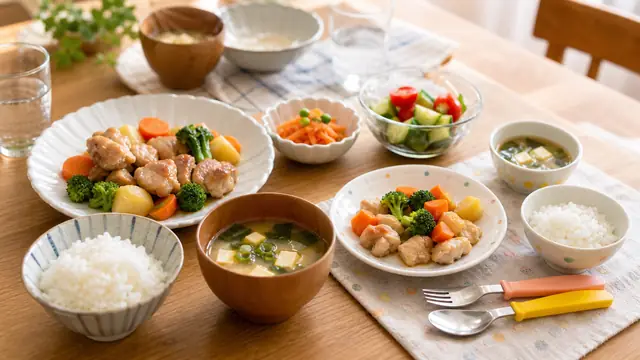
Make family dinners easier by adjusting flavor, size, and texture instead of making a completely separate child menu.
Read article →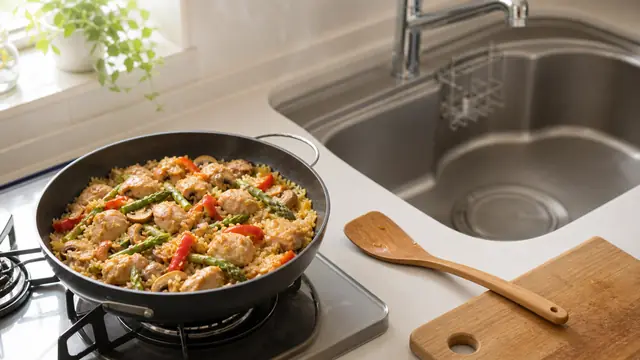
How to plan one-plate, one-pot, and one-pan dinners for weeknights when cleanup matters as much as cooking.
Read article →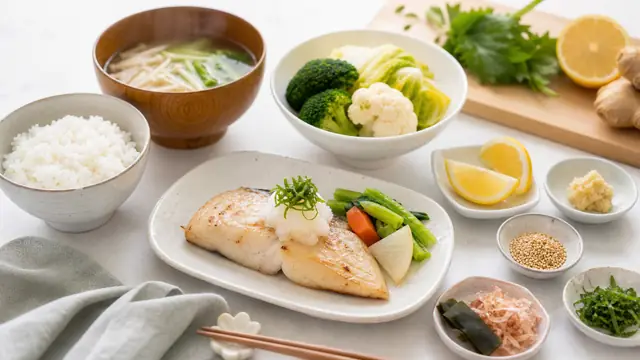
Use dashi, aroma, acidity, texture, and umami to make lighter seasoning feel complete.
Read article →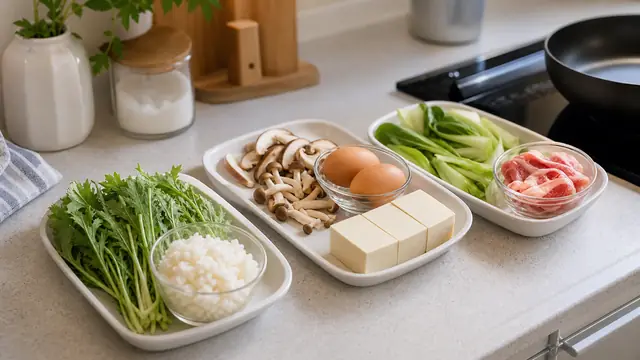
If meal prep does not work for you, try light ingredient prep instead of cooking full dishes ahead.
Read article →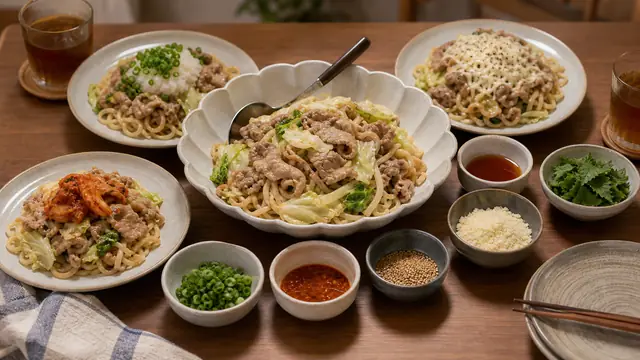
Use one shared base and change the finish with sauces, toppings, spice, acidity, or texture.
Read article →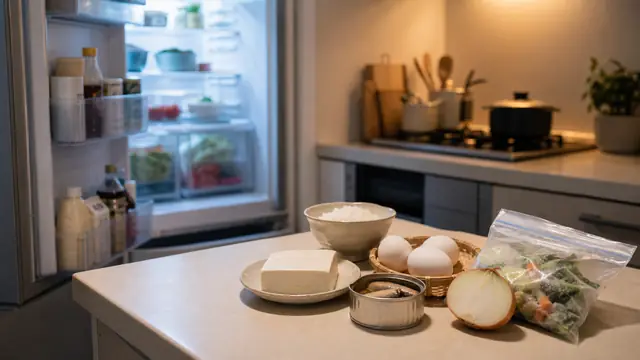
How to make dinner from fridge ingredients and pantry staples when shopping is not an option.
Read article →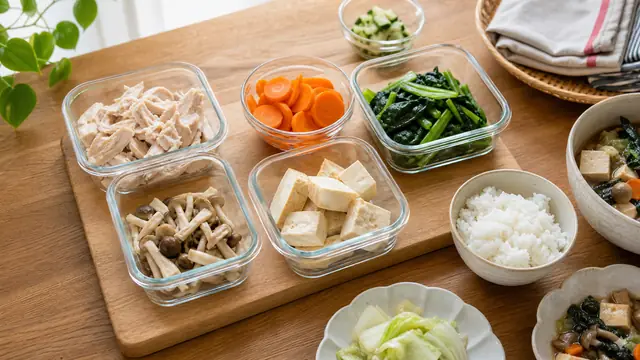
A practical method for turning small amounts of vegetables, meat, tofu, and leftovers into dinner while reducing food waste.
Read article →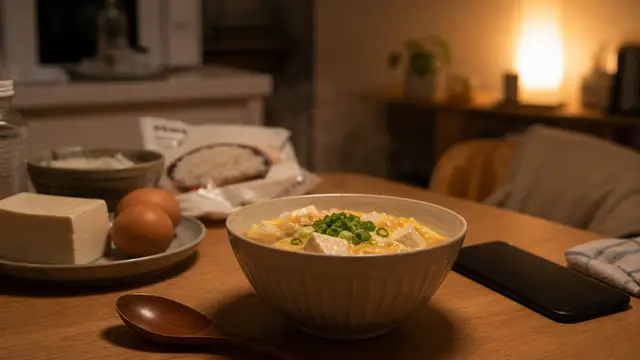
Three simple rules for tired nights: reduce decisions, choose 15-minute, 30-minute, or hands-off meals, and keep dinner realistic.
Read article →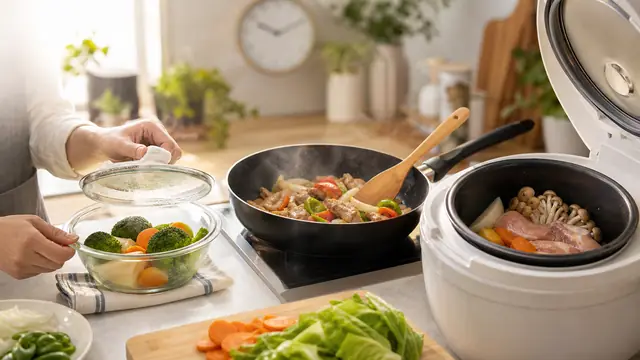
How to choose weeknight dinners by available time before choosing ingredients or recipes.
Read article →
Change flavor direction, cooking format, and staple pairing to make familiar ingredients feel new again.
Read article →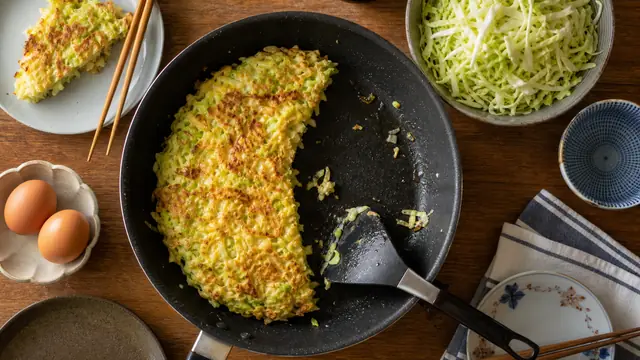
How to make eggs and cabbage feel like dinner with rice bowls, soups, skillet meals, and simple add-ins.
Read article →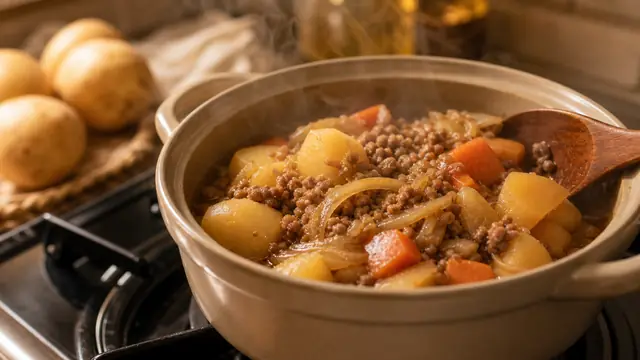
How ground meat and potatoes can become soboro, omelets, curry-flavored bowls, soups, and next-day leftovers.
Read article →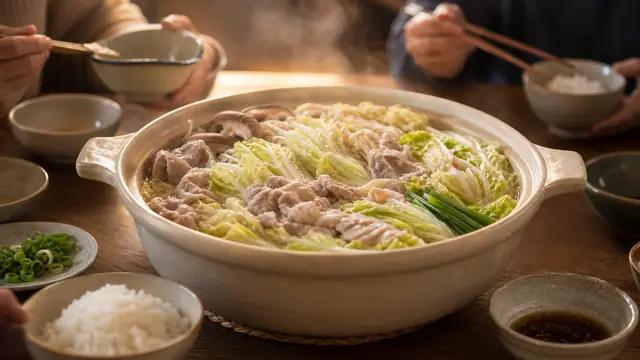
How to use napa cabbage and pork in steamed layers, ankake, miso simmering, soup, and rice-friendly meals.
Read article →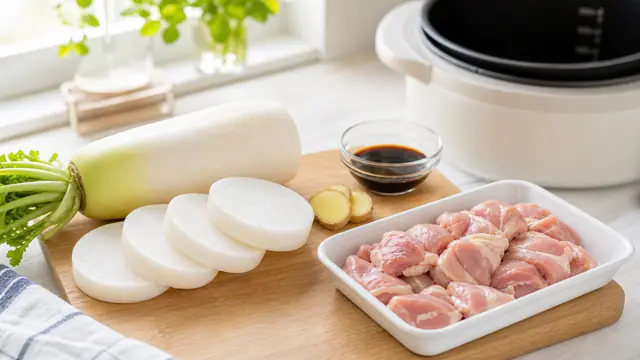
How to use daikon and chicken in simmered dishes, soups, grated-daikon meals, and smart-cooker dinners.
Read article →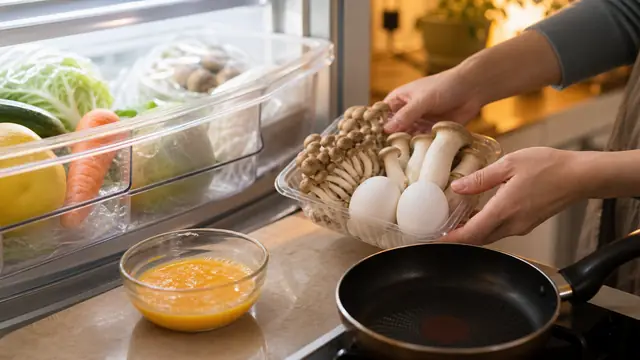
How mushrooms and eggs can become rice bowls, soups, omelets, noodles, and quick weeknight dinners.
Read article →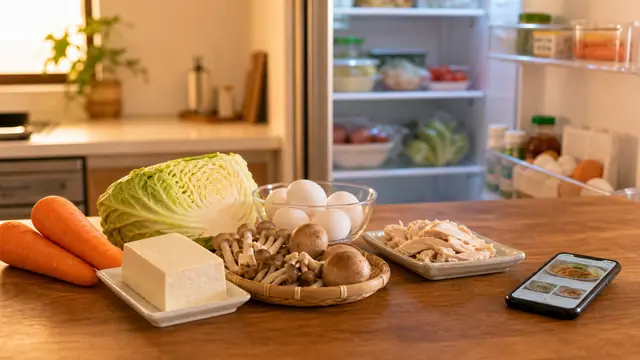
A practical way to turn fridge ingredients into dinner when you have food, but no clear meal idea.
Read article →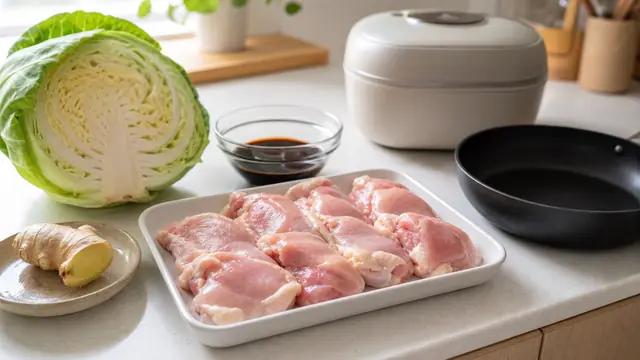
How to turn chicken thigh and cabbage into an easy weeknight meal by choosing the right cooking method.
Read article →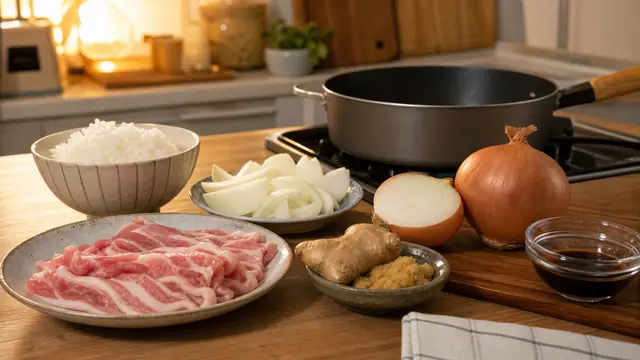
How thin-sliced pork and onions can become satisfying, budget-friendly dinners without feeling repetitive.
Read article →
How to substitute mirin with sake, sugar, mentsuyu, or other pantry ingredients depending on the dish.
Read article →
How to replace mentsuyu with soy sauce, mirin, and dashi for noodles, simmered dishes, and rice bowls.
Read article →
How to use frozen vegetables in a Hotcook-style smart cooker without making dinner watery, bland, or mushy.
Read article →
How canned mackerel, tuna, tomatoes, beans, and corn can become smart-cooker meals when the fridge looks empty.
Read article →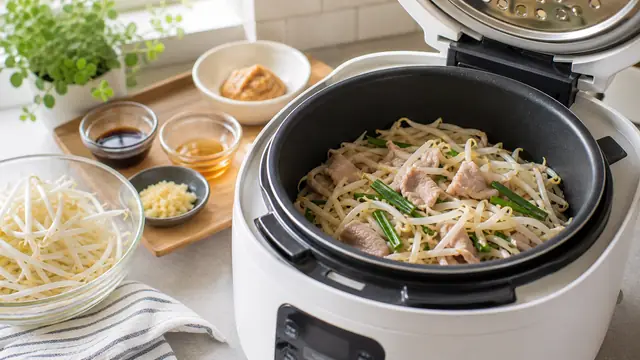
How to use bean sprouts in a smart cooker without losing texture, including timing, seasoning, and pairings with pork, tofu, and kimchi.
Read article →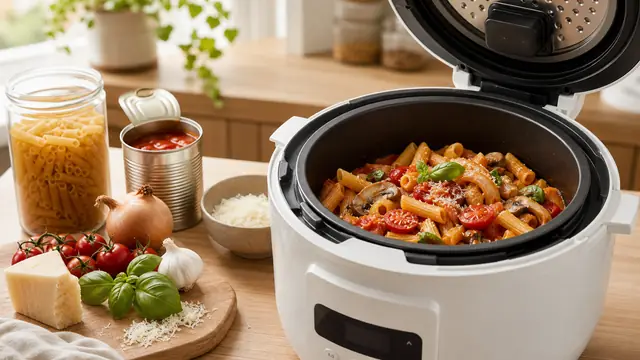
How to make smart-cooker pasta without separate boiling, including pasta shape, liquid amount, sticking prevention, and easy ingredients.
Read article →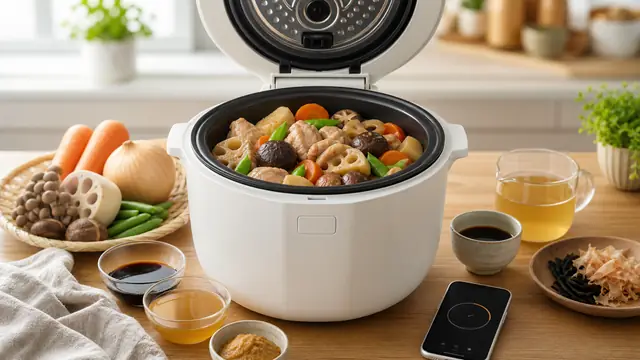
A beginner-friendly way to think about manual mode: simmering, soup, steaming, and low-temperature cooking when no official recipe fits.
Read article →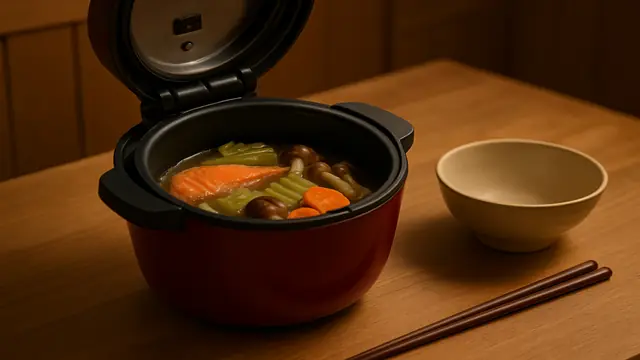
A practical guide to using a Hotcook for one-person meals, small-batch cooking, leftovers, and fridge management.
Read article →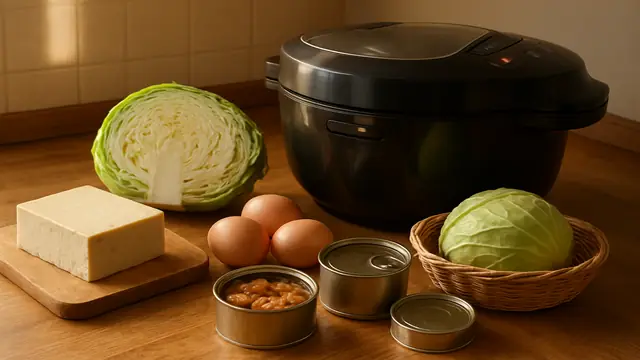
How to use chicken breast, tofu, canned foods, vegetables, and pantry staples in a Hotcook without making dinner feel like a compromise.
Read article →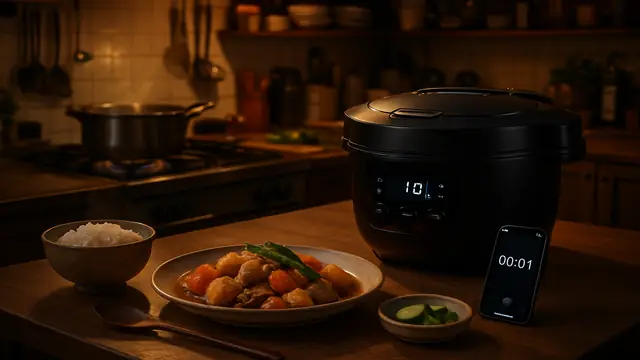
How to use timer cooking, safe ingredient choices, and morning prep so dinner is ready when the family gets home.
Read article →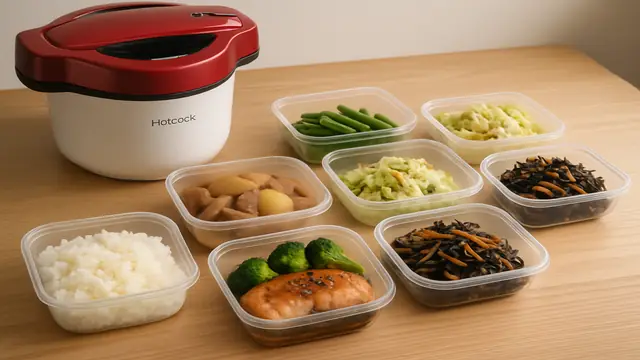
A practical structure for using a smart cooker on the weekend to prepare flexible dishes for the week ahead.
Read article →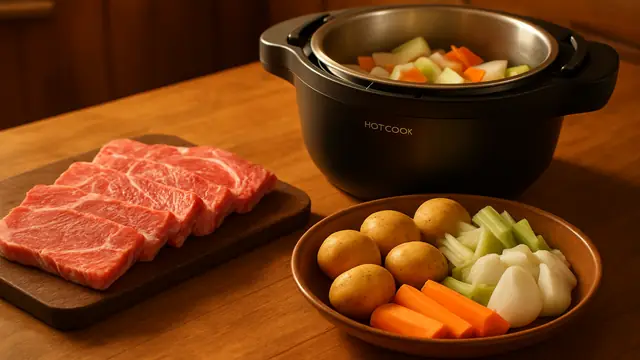
A guide to choosing beef cuts for smart-cooker simmering, from thin slices to stew meat, and preventing dry or tough results.
Read article →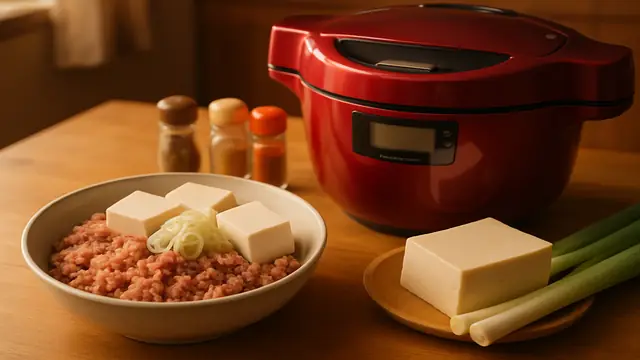
Why ground meat works well in a smart cooker and how to turn it into soups, curry, mapo-style dishes, and rice toppings.
Read article →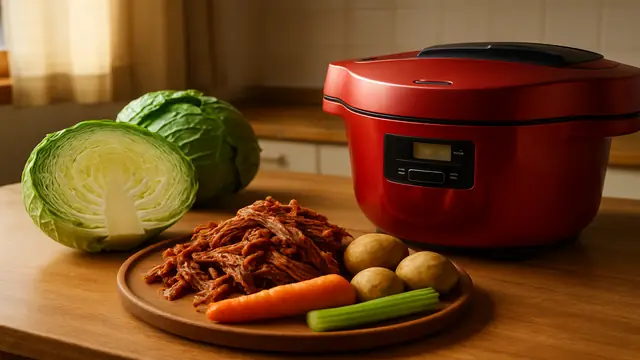
How to use cabbage in a smart cooker without getting bored, including soup, waterless stew, and miso-butter variations.
Read article →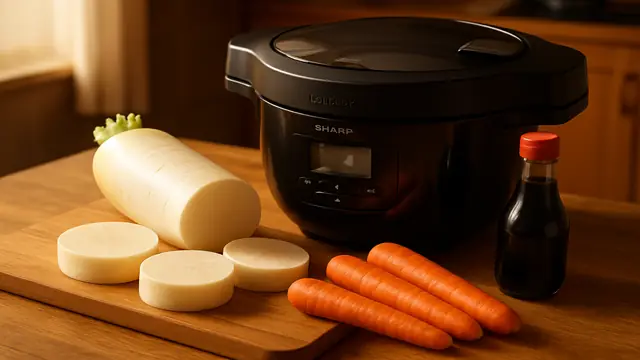
How to cook daikon in a smart cooker, including buri-daikon, pork simmer, dashi simmer, and choosing the right part of the root.
Read article →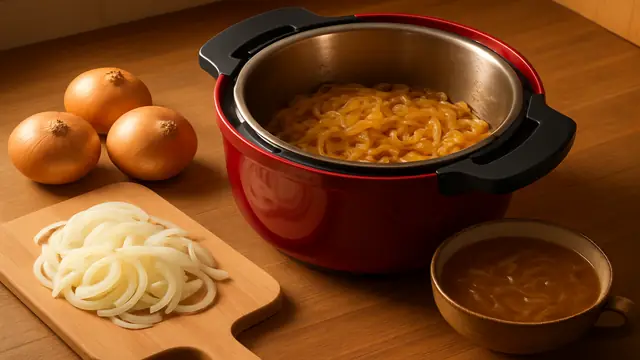
How to use onions as a soup base, curry base, steamed side, stew ingredient, and flavor builder in a smart cooker.
Read article →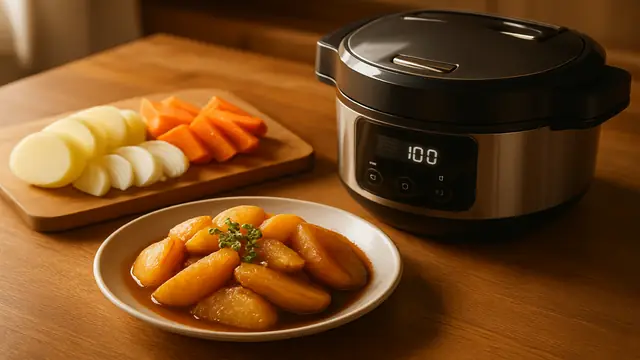
Why potatoes turn mushy in a smart cooker, how to cut them, and which dishes make the most of their texture.
Read article →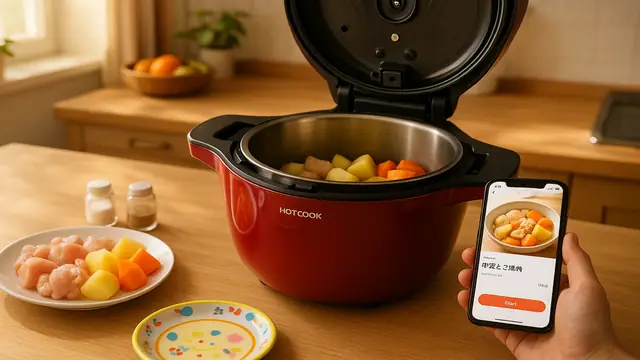
How to make family-friendly smart-cooker meals around curry, nikujaga, tomato stew, and vegetables children often avoid.
Read article →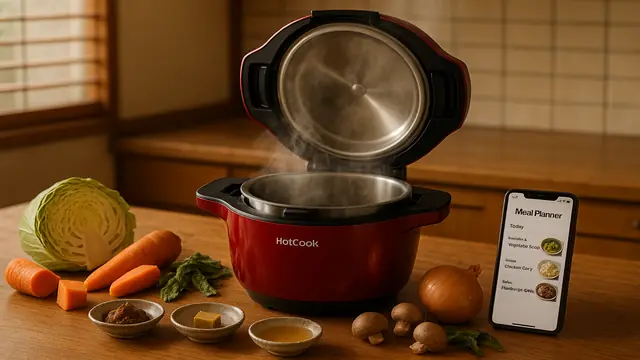
How to clear the vegetable drawer with Japanese, Western, Chinese-style, and miso soup patterns in a smart cooker.
Read article →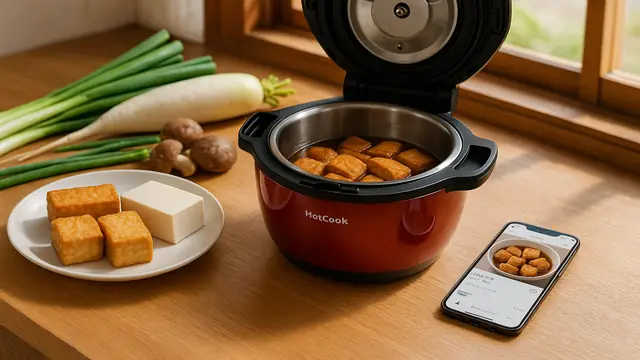
How tofu, fried tofu, and gentle simmered dishes can become satisfying smart-cooker meals on a budget.
Read article →
Three low-effort smart-cooker meal patterns that use minimal cutting and still feel like dinner.
Read article →
How to use salmon fillets in a smart cooker without drying them out, and how to match the seasoning to your vegetables.
Read article →
How to use pork belly in a smart cooker, including vegetable pairings, rich soups, and managing fat without making the dish heavy.
Read article →
A practical guide for Hotcook and smart cooker users: chicken thigh meal ideas, vegetable pairings, seasoning directions, and common mistakes to avoid.
Read article →
How different mushrooms behave in a smart cooker, how to bring out umami, and why freezing can make them more useful.
Read article →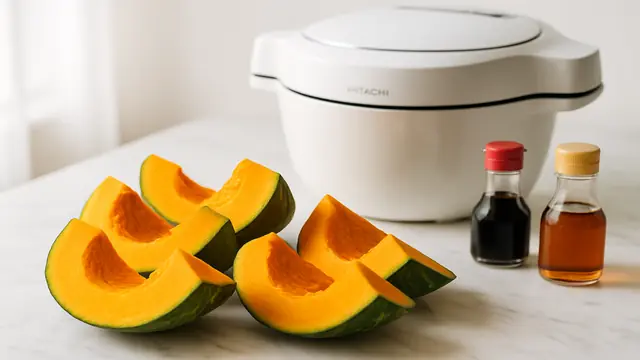
How to cook pumpkin in a smart cooker without turning it to mush, plus dashi simmer, consommé simmer, and potage ideas.
Read article →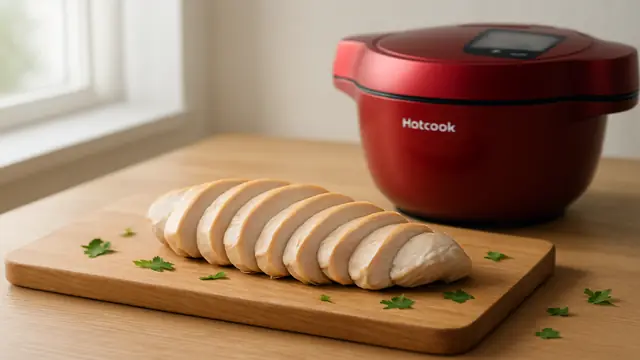
Why chicken breast dries out, how low-temperature cooking helps, and how to use it for meal prep.
Read article →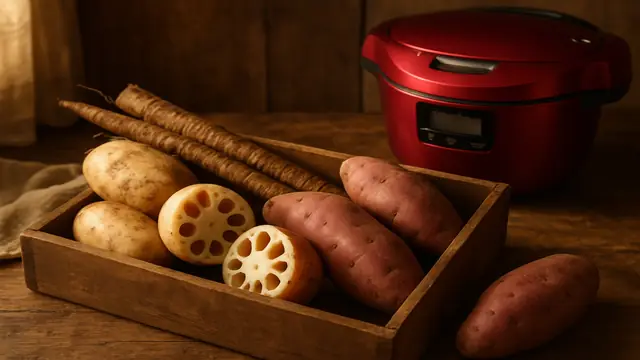
How to cook firm root vegetables in a smart cooker and choose the right cut size, liquid, and seasoning.
Read article →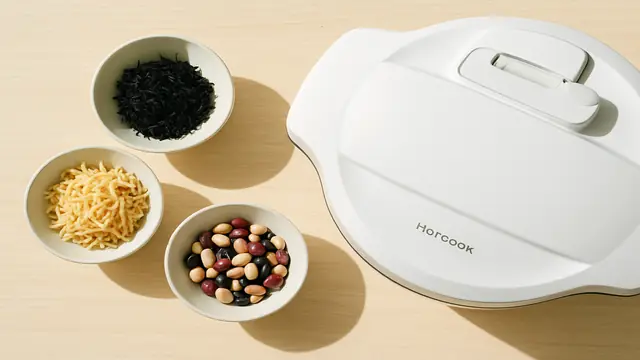
How pantry dried foods can reduce waste and become smart-cooker meals without complicated prep.
Read article →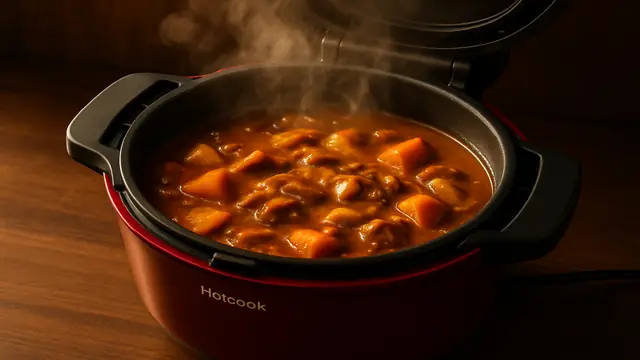
How to adjust water, vegetables, roux, potato size, and hidden flavor boosters for smart-cooker curry.
Read article →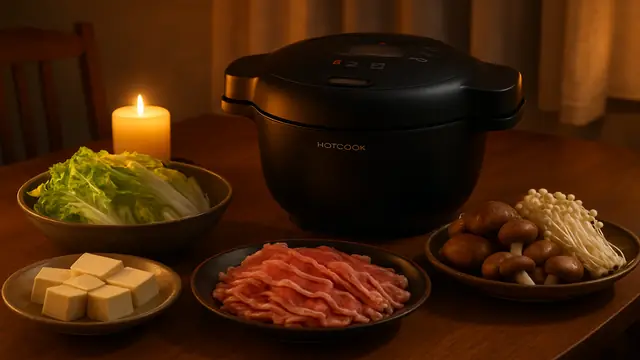
How to make yose-nabe, soy milk nabe, and miso-kimchi nabe in a smart cooker, including ingredient timing and finishing noodles or rice.
Read article →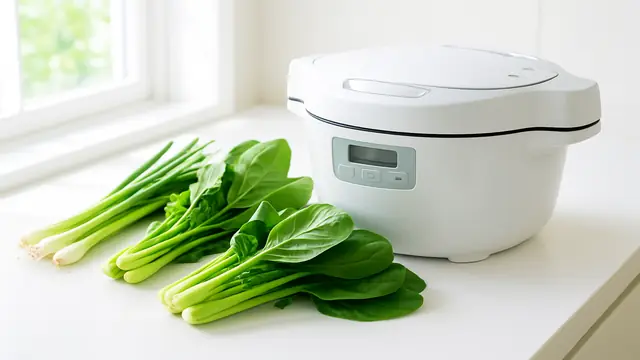
How to add leafy greens to smart-cooker dishes without losing color, texture, or flavor.
Read article →
A four-step method for using half-finished ingredients before shopping again.
Read article →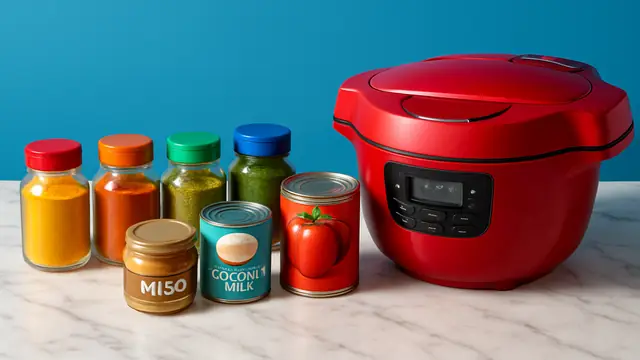
How seasoning changes can turn familiar ingredients into Japanese, Chinese, Korean, Western, Southeast Asian, or Indian-style meals.
Read article →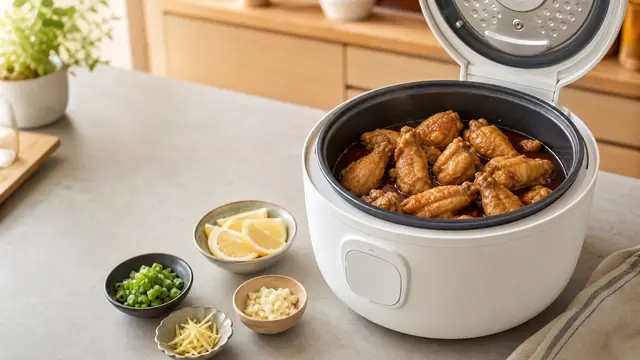
How to simmer chicken wings or drumettes until tender, with soy sauce, salt-lemon, and Korean-style seasoning ideas.
Read article →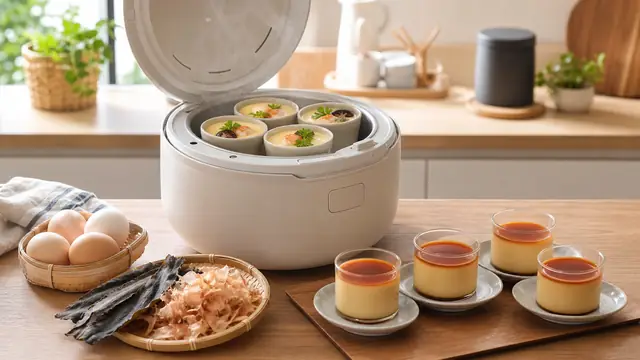
How the Hotcook steaming function helps make smooth chawanmushi and pudding, plus common failure points and fixes.
Read article →
Why Snapmeal started: from struggling to use a Hotcook well, to building an AI meal-planning web app for real weeknight cooking.
Read article →